Although it seems basic, one of the first steps of becoming a successful engineer is having an intuitive understanding of units and dimensions. Intuitive means that when you see 4 inches or 4 milimeters you can “see” the difference between those two and understand how they are different. Intuitive means that when someone says that they are 6 meters tall, you raise your eyebrows and likely reply “I don’t think meters means what you think it means”. Unfortunately, it takes practice and time to have an intuitive understanding of anything (that is one of the reasons why we expect engineers to spend 4 years in school!). Therefore, the goal of this chapter is not that you will have an intuitive understanding by the time you are finished. It is important to understand that the learning process does not end at the completion of each chapter but instead is a lifelong process. The goal is that by the end of the chapter you will know how to appropriately look things up and that you understand how to be careful when converting units.
In this chapter, we will learn a ton! We are going to learn the difference between units and dimensions and how you will be expected to manipulate them as an engineer. We will explore the following:
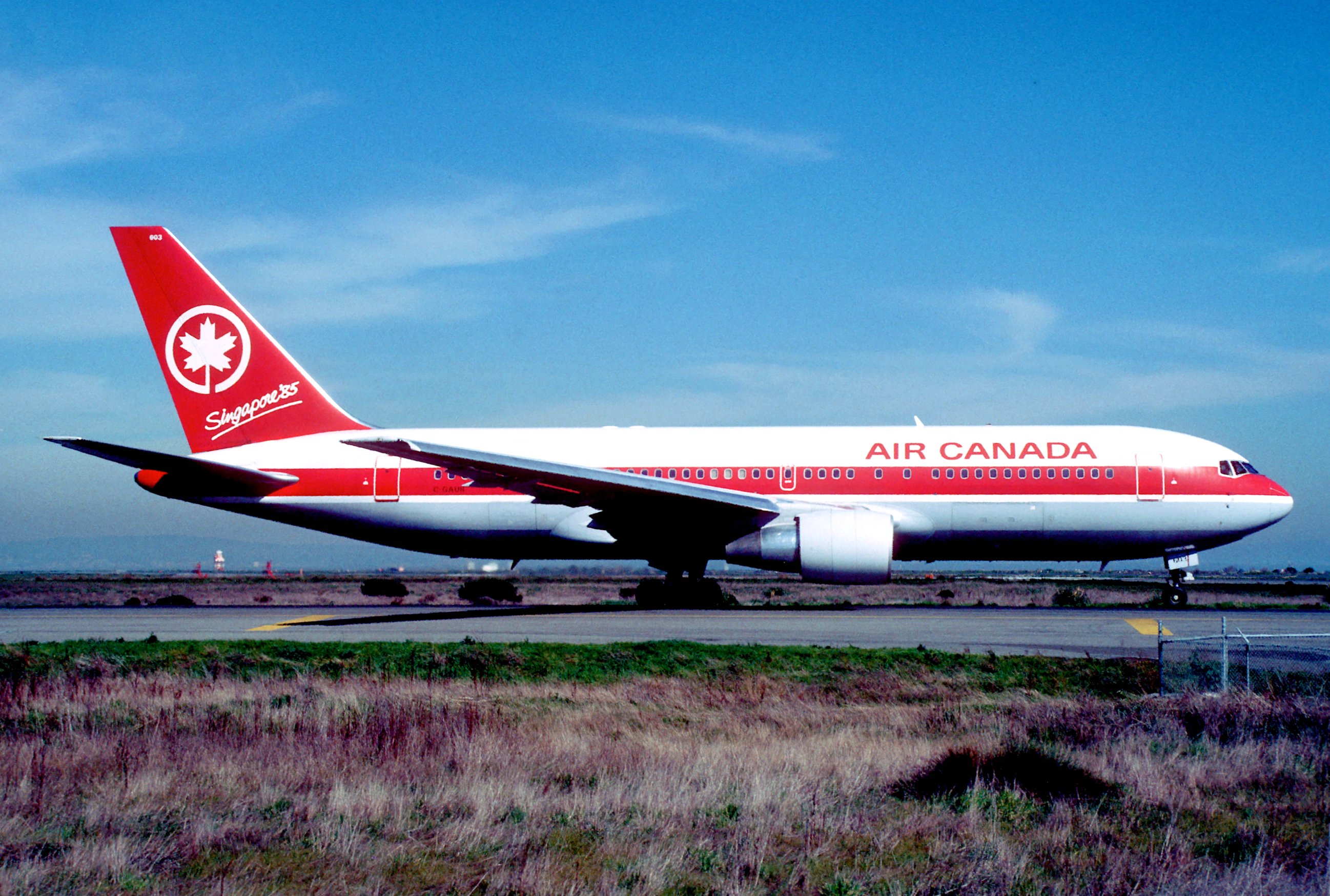
On July 22, 1983, Air Canada flight 143 took off from Montreal to Edmonton. Before takeoff, routine checks showed all systems were functional and that everything was ready to go. While cruising at 12,500 meters, an alarm started blaring in the cockpit, warning the pilots that the fuel pressure on the left side of the airplane was low. The pilots silenced the alarm, figuring it was a fuel pump problem, and they knew gravity could handle moving the fuel around until they landed. The fuel gauges were not working correctly (or so it seemed), but the flight computer let the pilots know they had plenty of fuel to make the flight. A few minutes later, the right-side fuel pressure alarm went off. Seconds after that, the left engine shut down. The pilots called air traffic control and prepared to land with a single engine in Winnipeg. As they were discussing the plan with air traffic control in Winnipeg, the “all engines down” alarm went off and the cockpit went blank. The pilots consulted the manual and couldn’t find a section that told them what to do when all engines fail. Luckily, the pilots managed to safely crash land the plane, and no one was hurt.
I hope that you can guess based on the chapter title. The problem was an incorrect unit conversion (and a whole host of other errors)! In 1983 when the incident occurred, Canada was in the process of converting the country to the metric system. The new 767 involved in the incident was supposed to be calibrated using metric units, but all other Air Canada aircraft at the time were still operating with Imperial Units. The pilot calculated that the flight required 22,300 kilograms of fuel. A float stick check showed that there were already 7,682 liters of fuel in the tanks. Note that the calculation is in kilograms, a unit of mass, and the float stick indicated a volume, in liters. The crew used an incorrect conversion factor that related mass of a liter of fuel to pounds, an error that went unnoticed by the flight crew. We will explore the specific mathematical errors the crew made later in this chapter. The moral of the story, a flight crew made a bad conversion, that crashed a plane. Luckily, no one died but the story highlights the importance of converting units carefully.